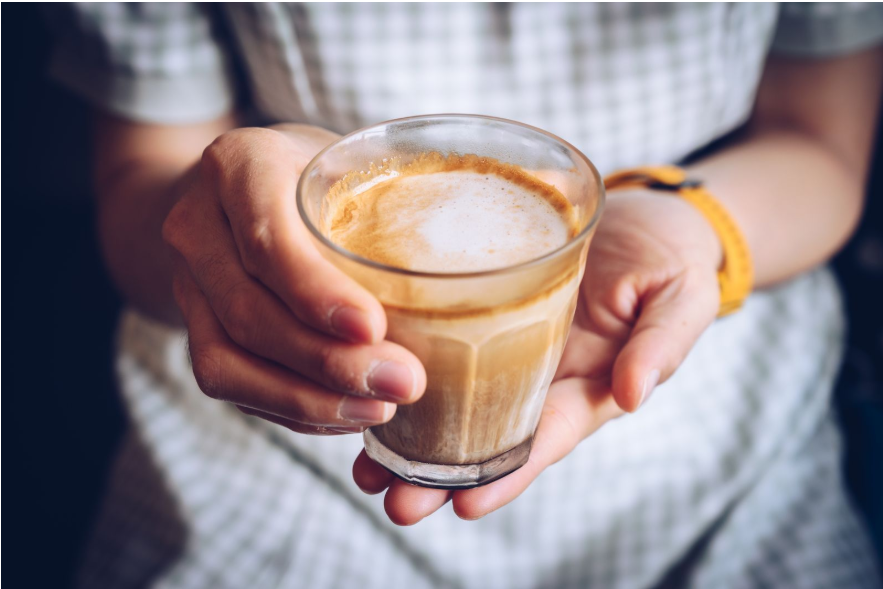
When is the best time to drink coffee? This isn’t just about habit; it’s about your body’s rhythms and health. By choosing the right time, we can enjoy the energizing effects of coffee while minimizing side effects. This article will guide you through understanding the golden time for drinking coffee and provide practical suggestions for healthy coffee consumption in modern life.
Drinking Coffee in the Morning: Avoiding the Physiological Peak
About 60 to 90 minutes after waking up, the body’s cortisol levels naturally peak. Cortisol is a hormone that regulates energy and stress; at its peak, the body is already in a relatively “awake” state. Drinking coffee immediately at this time can lead to an additive effect of caffeine, causing anxiety or irritability.
Therefore, the ideal approach is to do some light activity or eat after waking up, and then drink coffee about 90 minutes later. This avoids the negative effects of excessively high cortisol levels. Also, drinking coffee on an empty stomach can stimulate gastric acid secretion, easily causing stomach discomfort or digestive problems. It is recommended to drink it after breakfast or with a light meal.
Afternoon Coffee: The Best Choice for a Scientific Boost
After lunch, the body tends to experience a drop in energy. A cup of coffee at this time can boost alertness and concentration. At this time, cortisol levels begin to decline, and the stimulating effect of caffeine can replenish fatigue and help maintain work efficiency.
However, to avoid affecting nighttime sleep, it is recommended that afternoon coffee not be consumed later than 4 pm, especially for those sensitive to sleep. Caffeine has a half-life of approximately 8 hours, and drinking it too late can easily interfere with falling asleep and sleep quality.
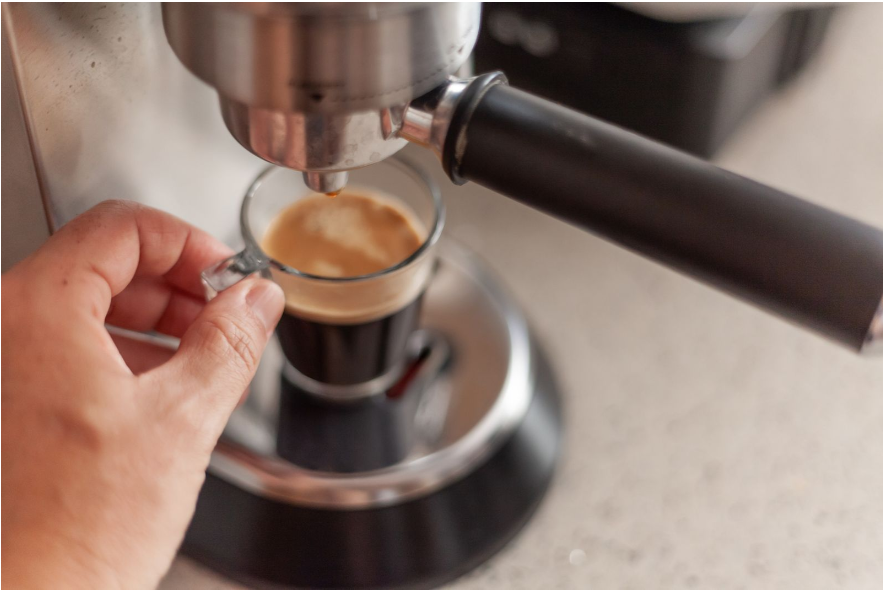
Consumption and Health Risks
Daily caffeine intake is recommended to be limited to 400 mg, roughly equivalent to 4 medium-sized cups of coffee. On the one hand, coffee has a diuretic effect; excessive intake can easily lead to dehydration and frequent urination. On the other hand, excessive caffeine may even affect hormone balance, causing problems such as weight changes.
Maintaining adequate water intake, especially mineral-rich filtered water, helps alleviate the risk of dehydration and ensures the body’s nutritional balance. Monitoring consumption and avoiding excessive intake are essential to safely enjoy the antioxidant and energizing benefits of coffee.
Alternatives: Gentle Energy Drinks Besides Coffee
If the energizing effect of coffee causes anxiety, or timing is difficult, try some gentler alternatives. Traditional South American mate tea contains lower and more gradual caffeine release, while being rich in antioxidants; hot cocoa with coconut milk can help improve mood and focus, and has a rich flavor.
These drinks satisfy your energy needs while reducing the stomach stress and sleep disturbances associated with coffee, making them ideal alternatives for coffee lovers.
Healthy Coffee Drinking Tips
- Avoid drinking coffee on an empty stomach; it’s best to drink it with breakfast or a snack.
- It’s recommended to postpone morning coffee consumption until 90 minutes after waking up.
- Limit afternoon coffee consumption to no later than 4 PM.
- Limit daily caffeine intake to no more than 400 mg.
- Stay hydrated to prevent dehydration.
- Pay attention to your body’s response and adjust your drinking habits accordingly.
Seize the moment and enjoy it wisely; every sip of coffee can gently boost your energy and mood.