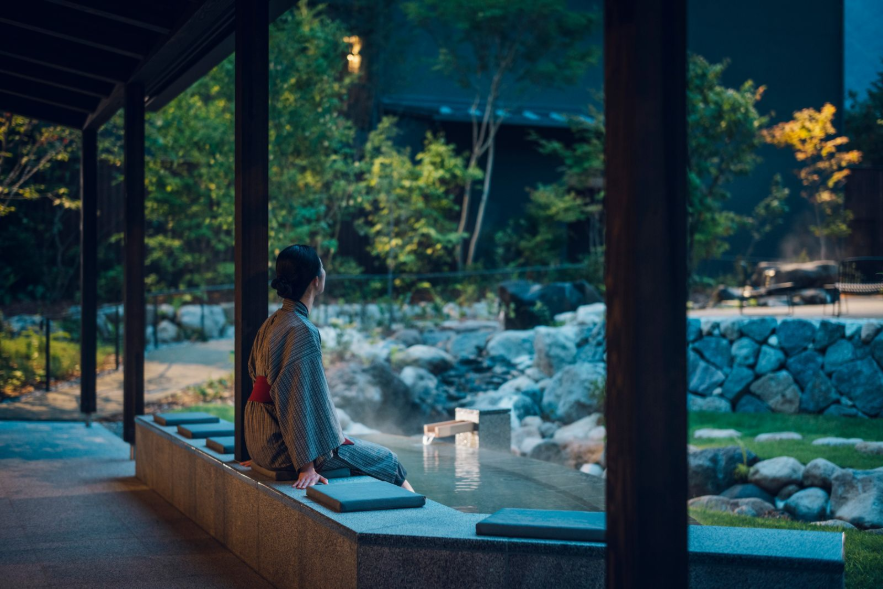
Before actually entering the hot spring, the key isn’t “heat,” but “slowness.” The body needs time to reach a gentle equilibrium with the temperature.
- Warm Up First, Don’t Push Yourself
- Before entering the hot spring, spend some time indoors, removing heavy clothing to allow your body to adjust to the ambient temperature. Avoid jumping directly into the hot spring from a cold draft, which can strain your cardiovascular system.
- It’s recommended to rinse your feet, arms, and calves with warm water first, like gently knocking on the door to let your body know “warmth is coming.”
- Simple Washing, “Make Room” for Your Skin
- Before entering the pool, use a gentle cleanser or plain water to wash away sweat, sunscreen, and makeup, preventing contamination of the spring water and reducing the burden on your pores.
- Don’t scrub vigorously, especially if you have dry or sensitive skin. Over-cleansing will only damage your skin’s natural barrier.
- Assess your physical condition and learn to say “I won’t soak today.”
- If you have cardiovascular disease, are pregnant, have a serious skin condition, or a recent surgical history, consult your doctor beforehand. If necessary, choose a foot bath or shorten the soaking time.
- If you have a cold, fever, have consumed alcohol, or are excessively fatigued, forcing yourself to soak in a hot spring will only strain your body. Rest when you need to.
The Moment of Soaking: Learn Moderation Before Enjoying
A truly comfortable hot spring soak isn’t about spending as much time as possible, but about knowing when to stop.
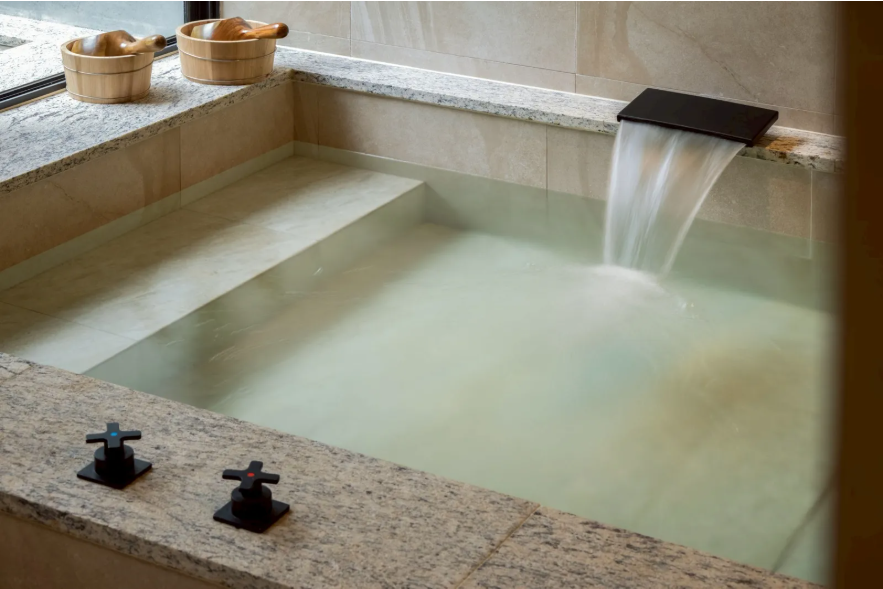
- The “Golden Range” of Water Temperature and Time
- Generally, the ideal hot spring temperature is around 39–40 degrees Celsius. Excessive heat can cause a rapid heartbeat, fluctuating blood pressure, and make your skin more prone to dryness and itching.
- Soaking for 10–15 minutes each time is generally recommended by most doctors and experts. You can get up to rest, rehydrate, and re-enter the pool if needed.
- Start with your feet and gradually work your way up to your body.
- Begin with a foot bath, then a half-body bath, and finally, assess your body’s reaction before deciding whether to immerse yourself fully. Never submerge your entire body at once.
- The water level should not be higher than your heart, especially important for those with cardiovascular problems or the elderly.
- Leave immediately if your body sends warning signals.
- If you experience dizziness, chest tightness, palpitations, nausea, or other discomfort, leave the pool immediately, sit down and rest. Drink warm water if necessary and seek assistance.
- While alternating hot and cold water can be stimulating, it puts a strain on blood vessels. It is recommended to shorten your stay and avoid frequent back-and-forth soaking.
Hot Springs and Skin: Even a “Beauty Bath” Can Turn into a “Dry and Itchy Bath”
The mineral components of hot springs do help promote blood circulation and accelerate metabolism, hence the romantic name “beauty bath.” However, high temperatures and prolonged soaking can also subtly strip the skin of moisture and oils.
- The Two Sides of Hot Springs for Skin
- The heat and minerals soften the stratum corneum, helping to remove dead skin cells, resulting in smoother, more refined skin.
- However, the stratum corneum is also the skin’s protective barrier. If it’s overly softened or washed away, moisture loss, dryness, itching, and sensitivity will follow.
- Sensitive Skin and Special Hot Spring Types Require Extra Caution
- Hot springs containing sulfur, with high pH levels, or those that are highly irritating may cause redness, itching, or even peeling in people with dry skin, atopic dermatitis, or sensitive skin.
- If it’s your first time trying a hot spring, soak for a short time first, observe your skin’s reaction, and then decide whether to extend your stay.
After a Hot Spring: The Real Skincare Routine
Many people think their skincare is complete after a hot spring soak, but the “half an hour after getting up” is the crucial time for skincare.
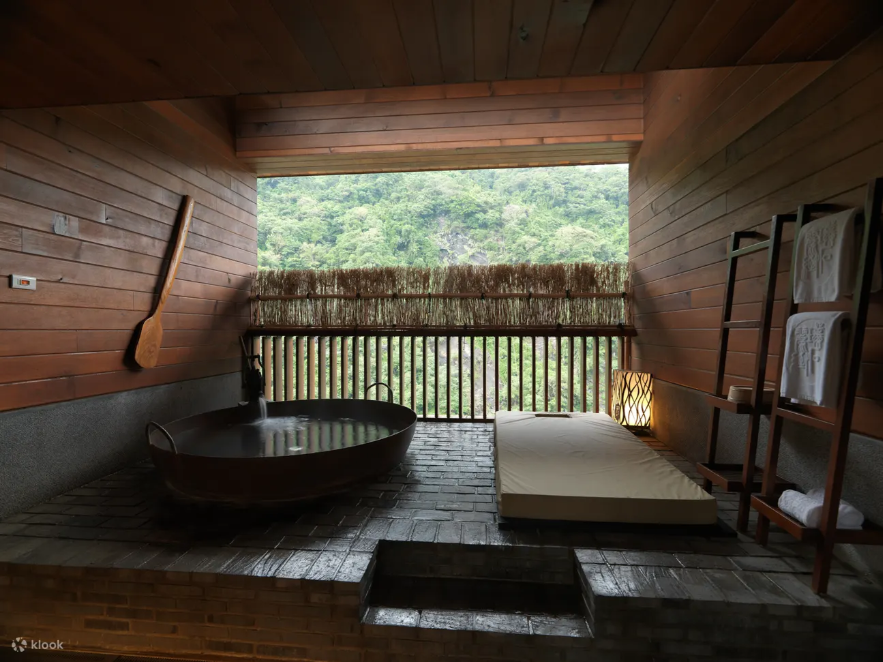
- Should you rinse off? Depending on the spring water quality and skin condition:
- For more irritating hot springs, such as sulfur springs or acidic springs, rinse gently with water to remove residual ingredients and reduce the risk of irritation and dryness.
- If the spring water is mild and your skin is in stable condition, simply rinse with water. The key is to avoid vigorous scrubbing or using harsh cleansers.
- Three-step skincare routine: Hydrate, Lock in moisture, and keep warm
- Step 1: While your skin is still damp, apply a toner or a lightweight moisturizer containing hyaluronic acid or vitamin B5 to allow the softened skin to absorb the moisture.
- Step 2: Next, apply lotion or cream, paying special attention to dry areas such as elbows, knees, and heels to lock in moisture.
- Step 3: Wear soft, dry clothing to avoid direct exposure to cold winds on your skin after soaking. Allow your body temperature to drop slowly, which helps maintain good blood circulation.
- Don’t Neglect Internal Hydration
- During a hot spring bath, you’ll sweat, and the high temperature causes your body to lose water silently. Therefore, sip warm water frequently before and after your bath.
- Some people choose drinks containing collagen, vitamins, or antioxidants as part of their internal health regimen, but the key is still a stable supply of water and nutrients.
Safe Hot Spring Bathing Tips (Lazy Person’s Guide)
- Don’t bathe on an empty stomach or after drinking alcohol, as this will double the burden on your body.
- Each bath should last 10–15 minutes; soaking in segments is safer and more comfortable than soaking all at once.
- A water temperature of around 39–40 degrees Celsius is sufficient; hotter doesn’t necessarily mean more effective.
- Those with sensitive skin, chronic skin conditions, or cardiovascular diseases should consult their doctor before deciding on the bathing time and method.
- Always moisturize and apply lotion after your bath; dryness and itching often stem from neglecting this last step.
Just remember to give your body time to adjust, moisturize your skin, and practice moderation and gentleness. A seemingly ordinary hot spring bath can become a truly memorable winter ritual.