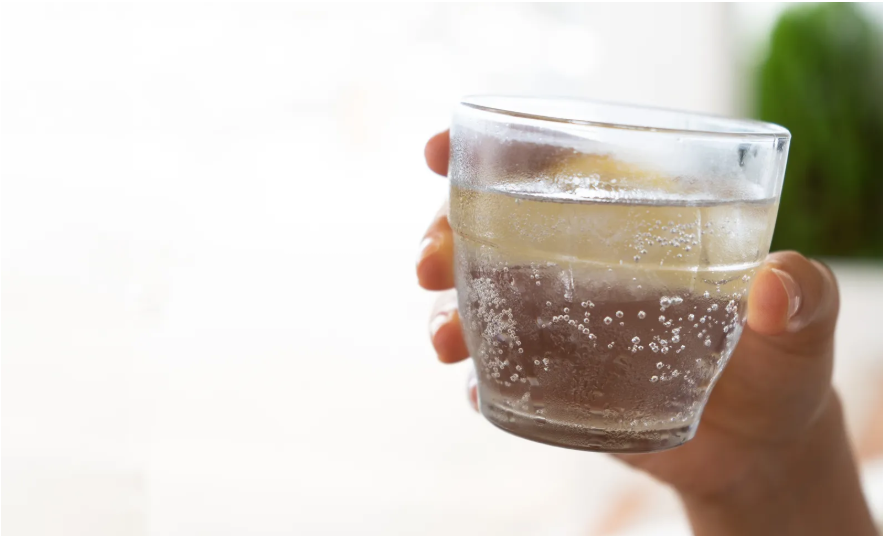
Sparkling water has become a new favorite among health drinkers in recent years. With its refreshing taste and zero sugar and calories, it’s seen as an ideal alternative beverage, and many people expect it to help with weight loss and boost metabolism. But what’s the truth? This article, based on scientific research and nutritionist perspectives, accurately breaks down the effects and misconceptions of sparkling water, and provides healthy drinking advice.
Health Benefits of Sparkling Water
- Increased Satiety, Reduced Food Intake The carbon dioxide bubbles in sparkling water expand the stomach, prolonging the feeling of fullness after meals, helping to suppress overeating and indirectly helping to control calorie intake.
- Promoted Metabolism and Digestion Some studies indicate that sparkling water can stimulate intestinal peristalsis, accelerate blood circulation, help relieve constipation and indigestion, and improve metabolic efficiency.
- Replacement for Sugary Drinks, Reduced Sugar Intake Sparkling water is sugar-free and calorie-free, making it an ideal alternative to high-sugar carbonated drinks, helping to prevent obesity and high blood pressure, high cholesterol, and high blood sugar caused by excessive sugar intake.
- Improved Swallowing Function
Studies show that sparkling water stimulates nerves related to swallowing, potentially benefiting people with weaker swallowing abilities.
Limitations and Potential Risks of Sparkling Water
- Sparkling Water Does Not Directly Aid Weight Loss
Carbon dioxide has a weak effect on promoting glucose metabolism; it’s impossible to achieve significant weight loss solely by drinking sparkling water. A balanced diet and exercise remain key. - Stimulates Stomach Acid and Gastrointestinal Discomfort
People with acid reflux, heartburn, or irritable bowel syndrome should avoid sparkling water, as carbon dioxide may worsen discomfort such as bloating and belching. - May Trigger Rebound Appetite
Some studies indicate that sparkling water may stimulate an increase in ghrelin, sometimes even promoting calorie intake. When trying to lose weight, pay attention to the timing and amount consumed.

Correct Timing and Method of Consumption
- Drink a Small Amount 15 Minutes Before Meals
Moderate consumption can help expand the stomach and reduce food intake, but large amounts can easily stimulate appetite. - Drink approximately 30 minutes after meals.
Promotes gastrointestinal motility and digestion, relieving bloating and constipation. - Avoid drinking on an empty stomach.
Drinking sparkling water on an empty stomach may stimulate gastric acid secretion, causing stomach discomfort. - Control total intake.
Adjust intake according to individual circumstances; do not rely excessively on sparkling water to replace water daily.
Sparkling water is an aid, not a magic bullet.
Sparkling water offers the advantages of zero calories and increased satiety, making it a reasonable choice for modern weight-loss diets, especially as a substitute for sugary drinks, avoiding excess sugar intake. However, it is not a weight-loss miracle. Only by combining it with a healthy diet and regular exercise can sustainable and effective weight control be achieved. People with gastrointestinal problems should drink it with caution, choosing the most suitable way to enjoy sparkling water to maximize its health benefits.