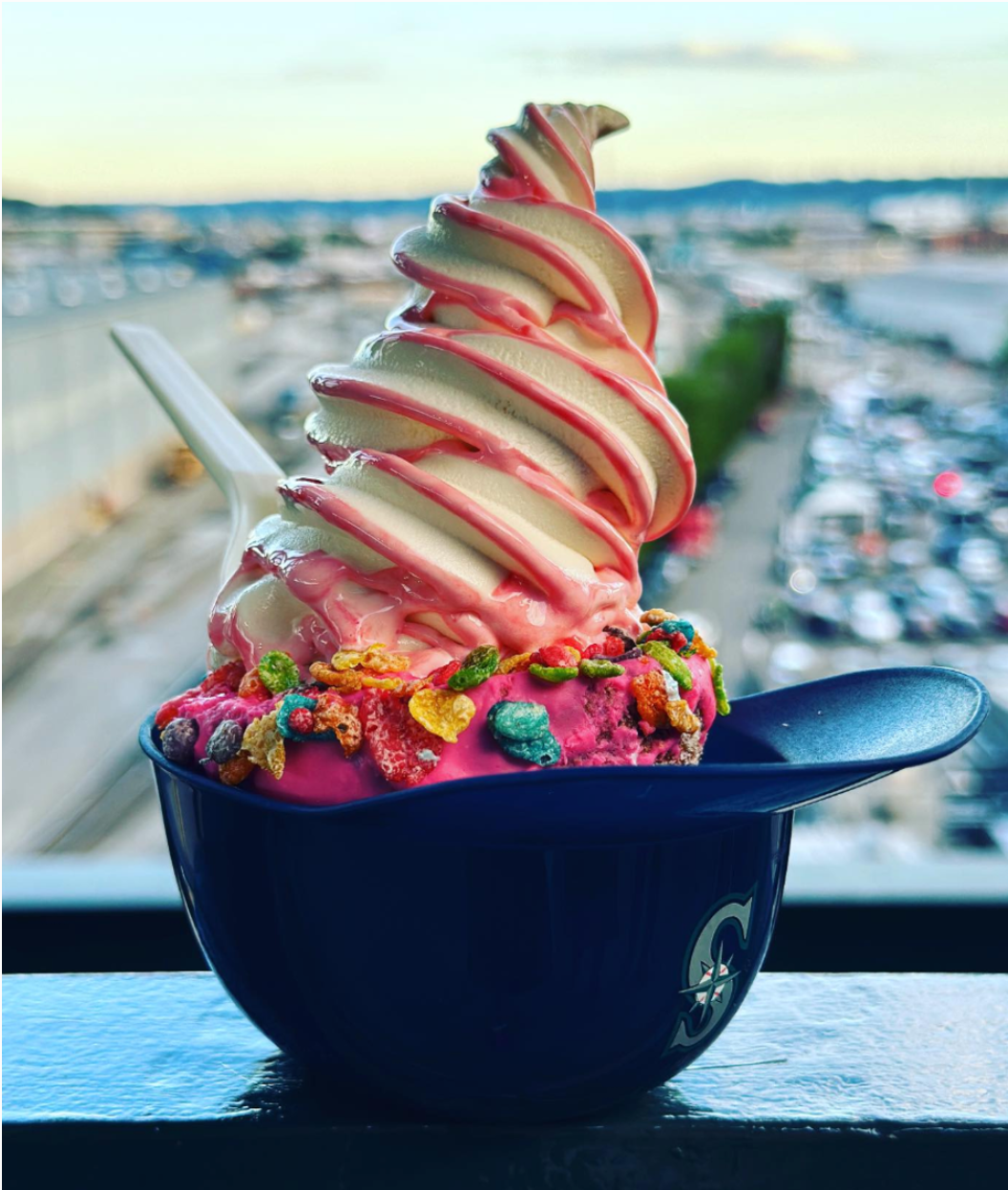
At ballparks across America, ice cream has become more than just a snack—it’s a ritual. In Seattle, fans dig into trays of ice cream nachos. In Boston, Gifford’s churns out limited-edition flavors inspired by hometown teams. And in Philadelphia, Phillies faithful can choose from eight different collectible helmets, each filled to the brim with sundaes. Ice cream and baseball are inseparable, and together they’ve helped shape the way we eat at stadiums today.
“Baseball really is the birthplace of stadium ice cream,” says Jamie Slotterback, vice president of marketing strategy and innovation at Aramark Sports + Entertainment. “It’s always been tied to summer and to tradition.”
Carmen Callo, senior vice president and corporate executive chef at Sodexo Live!, adds that the connection goes all the way back to the earliest days of concessions and vending in ballparks.
From Wooden Spoons to Souvenir Helmets
The 1930s brought a game-changer: soft serve. Suddenly ice cream wasn’t just a frozen block—it could be swirled, scooped, and served in new ways. By the 1970s, ballparks had introduced the now-iconic souvenir baseball helmet sundae. For many fans, nothing screamed summer louder than a mini helmet filled with vanilla soft serve, hot fudge, and sprinkles.
That same decade was also defined by malt cups and lemon ice, often eaten with a flimsy little wooden spoon. “There was nothing better than that wooden spoon with the ice cream,” recalls chef Ron Krivosik, now senior VP of culinary at Levy.
Roger Gifford of Gifford’s Ice Cream remembers the era well: “We had Hoodsie Cups in the ’60s, push pops, chocolate-covered bars. By the ’70s, it just exploded.”
Enter Dippin’ Dots—and the Age of Innovation
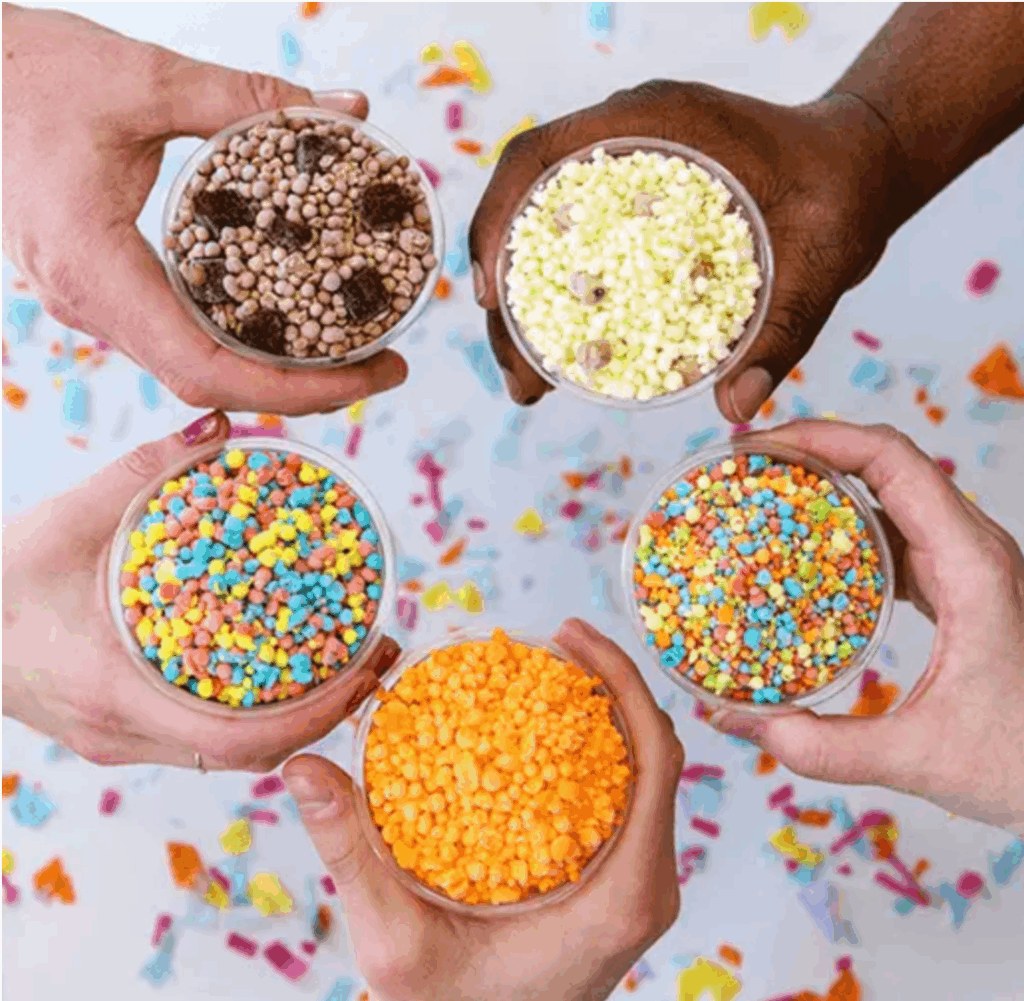
Then came 1988, when Dippin’ Dots rolled onto the scene with its futuristic beads of ice cream flash-frozen in liquid nitrogen. Stadiums embraced it instantly, and by the 1990s, no ballpark felt complete without a stand selling those neon cups of frozen dots.
Soft serve and Dippin’ Dots became staples, but fans were hungry for more. The 1980s and ’90s saw cookie sandwiches gain traction. The 2000s ushered in customization: choose your flavor, your toppings, your sauces, and make it your own. “It became about curating experiences,” Callo explains.
Today’s Game: Bigger, Bolder, More Local
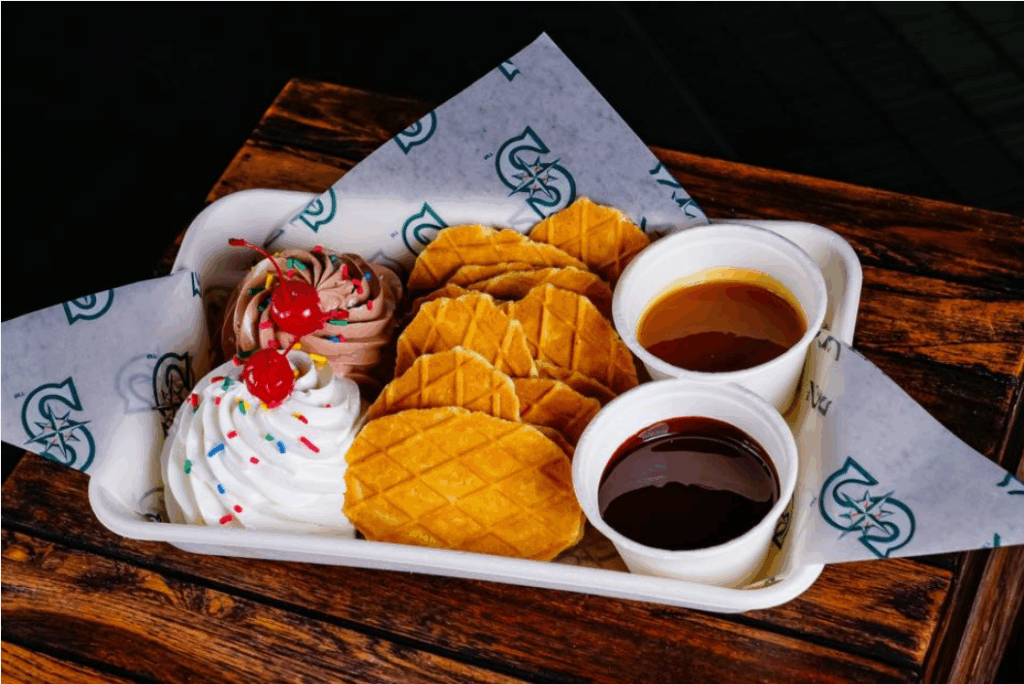
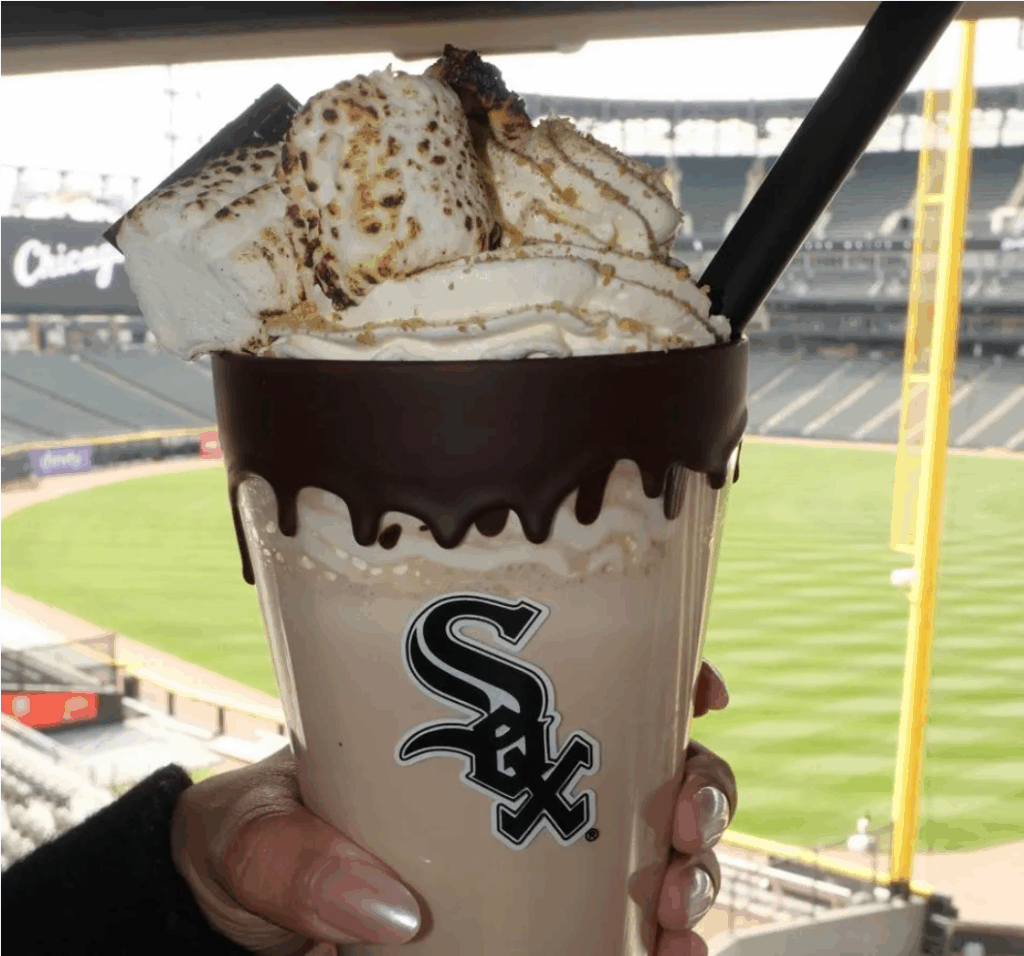
Fast-forward to today, and stadium ice cream is both nostalgic and cutting-edge. Sure, the helmet sundae remains a fan favorite (the Phillies alone offer eight designs in 2025), but the playbook has expanded. Milkshakes have gone local—think s’mores shakes in Chicago or boozy versions at the United Center. In Seattle, the Mariners are pushing boundaries with ice cream nachos, waffle cone “chips” piled high with soft serve and toppings.
Customization still drives sales, but speed matters too. Pre-packed novelties—ice cream sandwiches, pops, and bars—make service quicker, while premium scoop shops bring an artisan edge. Portland-based Salt & Straw scoops at T-Mobile Park, while New York’s Madison Square Garden highlights local flavors.
According to Aramark, ice cream dominates dessert sales: 82% of MLB’s stadium desserts are ice cream-based. Even in cold weather, Slotterback notes, fans line up on opening day. “It amazes me how many people buy ice cream in 40-degree weather,” he says.
What’s Next for Stadium Ice Cream?
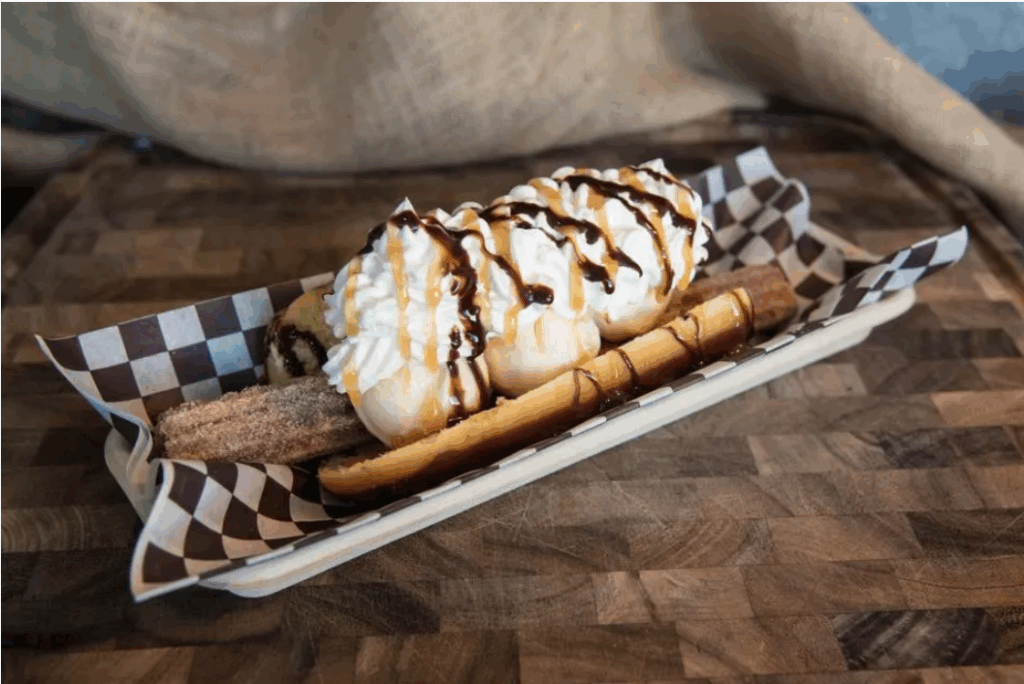
Expect more international influence (gelato and sorbet are on the rise in some regions), more local flair, and more Instagram-worthy “moments.” Sodexo Live! uses a three-part strategy: mainstays like sundaes and Dippin’ Dots, magnets that highlight local ice cream makers, and moments—those viral one-season wonders, like Seattle’s ice cream nachos or bubble waffles topped with scoops and candy.
“It’s about elevating a classic into something unforgettable,” Callo says.
In the end, no matter the form—wooden spoon, mini helmet, or bubble waffle—ice cream will always have a home in baseball. Because at the ballpark, just like the game itself, some traditions are simply too sweet to let go.